Urban Center of four Cities
The Urban Center of four Cities opened in Skopje center on 18 November 2015, giving the partner cities a shared space for exchange and public programming.
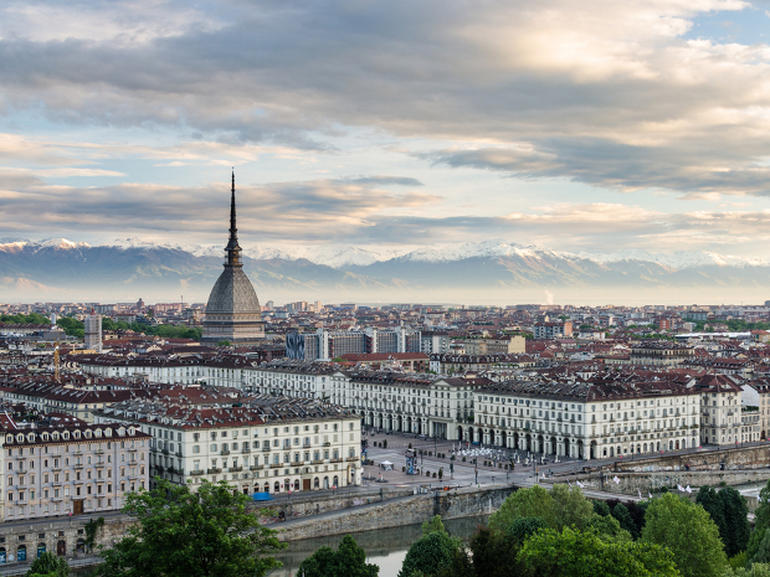
Outcomes and reports from the SINERGI project, from the opening of the Urban Center of four Cities to the shared urban growth strategies developed by the partner cities.
SINERGI brought together the cities of Skopje, Turin, Zagreb and Lisbon with universities, civic organizations and social groups. Over the course of the project, that cooperation produced a physical meeting place, a body of published material, and a common approach to urban growth and social integration.
The results below summarise the main outcomes recorded across the project's seminars, workshops and conferences.
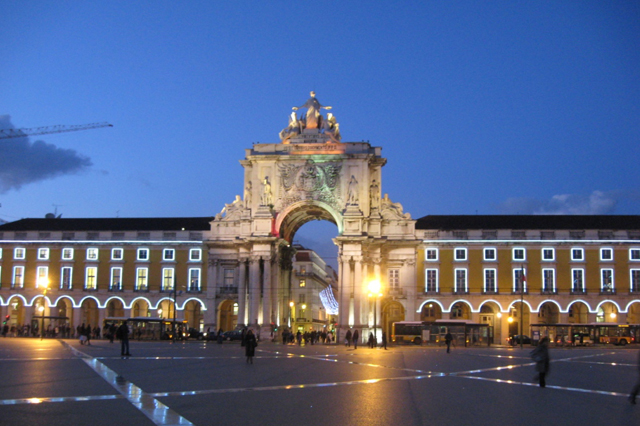
Three strands of work shaped the project's results.
The Urban Center of four Cities opened in Skopje center on 18 November 2015, giving the partner cities a shared space for exchange and public programming.
Project reports and findings were published, documenting the seminars, workshops and conference contributions produced by the partnership.
The partner cities developed shared urban growth strategies, drawing on the experience and good practices exchanged throughout the network.
The results were built up through a sequence of meetings hosted by the partner cities.
| Date | Milestone | Location |
|---|---|---|
| 24–26 March 2014 | Kick-off meeting | Turin, Italy |
| 15–17 July 2014 | 1st Thematic Seminar | Zagreb, Croatia |
| 3–5 December 2014 | 1st Thematic Workshop | Skopje, Macedonia |
| 14–16 April 2015 | Lisbon Thematic Seminar | Lisbon, Portugal |
| 30 June – 2 July 2015 | Second Thematic Workshop on Urban Regeneration Strategies in Mirafiori Sud | Turin, Italy |
| 18–19 November 2015 | International Scientific Conference “Inclusive / Exclusive Cities” | Skopje, Macedonia |
| 18 November 2015 | Opening of the Urban Center of four Cities | Skopje, Macedonia |
| 18–20 November 2015 | SINERGI Final Conference | Skopje, Macedonia |
The results gathered here reflect what happens when cities decide to work through partnership rather than in isolation. Skopje, Turin, Zagreb and Lisbon each brought their own urban realities to the table, and the shared effort turned those differences into a source of strength. Rather than treating urban growth as a purely administrative matter, the project placed social integration at its centre, asking how twinned cities can exchange knowledge and practical experience in ways that genuinely improve daily life for residents. The outcomes described on this page are the visible trace of that deliberate, collaborative approach to regeneration.
One of the most tangible results is the creation of a physical meeting place: an urban center designed to serve as a common reference point for the partner cities. Such a space matters because cooperation needs somewhere to happen, not just something to talk about. It gives citizens, students, teachers, civic organizations and local representatives a setting where they can gather, learn from one another and follow the progress of joint activities. The center stands as a practical expression of the project's intention to establish a lasting network rather than a one-off exchange.
Alongside the physical space, the project produced a body of published material that records and shares what was learned. Reports, thematic summaries and practical information capture the strategies developed across the partner cities, from inclusive urban growth to the social dimensions of regeneration. This documentation is intended to be useful beyond the immediate circle of participants, offering universities, non-governmental organizations and city administrations a reference they can draw on in their own contexts. Making the knowledge public is part of the project's commitment to openness and to the wider exchange of good practice.
A central outcome is the shared approach to urban growth and social integration that the partner cities developed together. Rather than a single fixed model, this approach works as a common framework that each city can adapt to its own circumstances, whether the challenge is regeneration in a large neighbourhood or the integration of diverse communities. Thematic workshops, conferences and keynote contributions helped shape this framework, drawing on the experience of participants from different countries and disciplines. The result is a strategy that is both inclusive in spirit and practical in application.
Taken together, these results point toward something larger than any single deliverable: an established network of twinned cities, universities and civic organizations that continues to exchange knowledge and experience. The project's legacy lies in the relationships it built and the practices it made shareable, giving partners a foundation for further joint development. Visitors to this page can explore the outcomes in more detail, follow the news and events that keep the network active, and see how the shared commitment to inclusive, socially grounded urban regeneration carries forward beyond the life of the project itself.

The conference programme and public lectures examined inclusive and exclusive city conditions and urban regeneration. During the Final Conference in Skopje, on 19 November 2015, Dr. Mark Schoonderbeek of the Department of Architecture at TU Delft delivered a public lecture titled “Complexities and Simultaneities: on (the mapping of) in/exclusive border conditions”.
The project was part of the “Europe for Citizens Programme” (2007–2013).
For questions about the project and its material, write to sinergi@sinergiproject.com or call +(389) 3 297 286 / +(389) 3 207 524.