Europe for Citizens Programme · 2007–2013

Social Integration through
Urban Growth Strategies
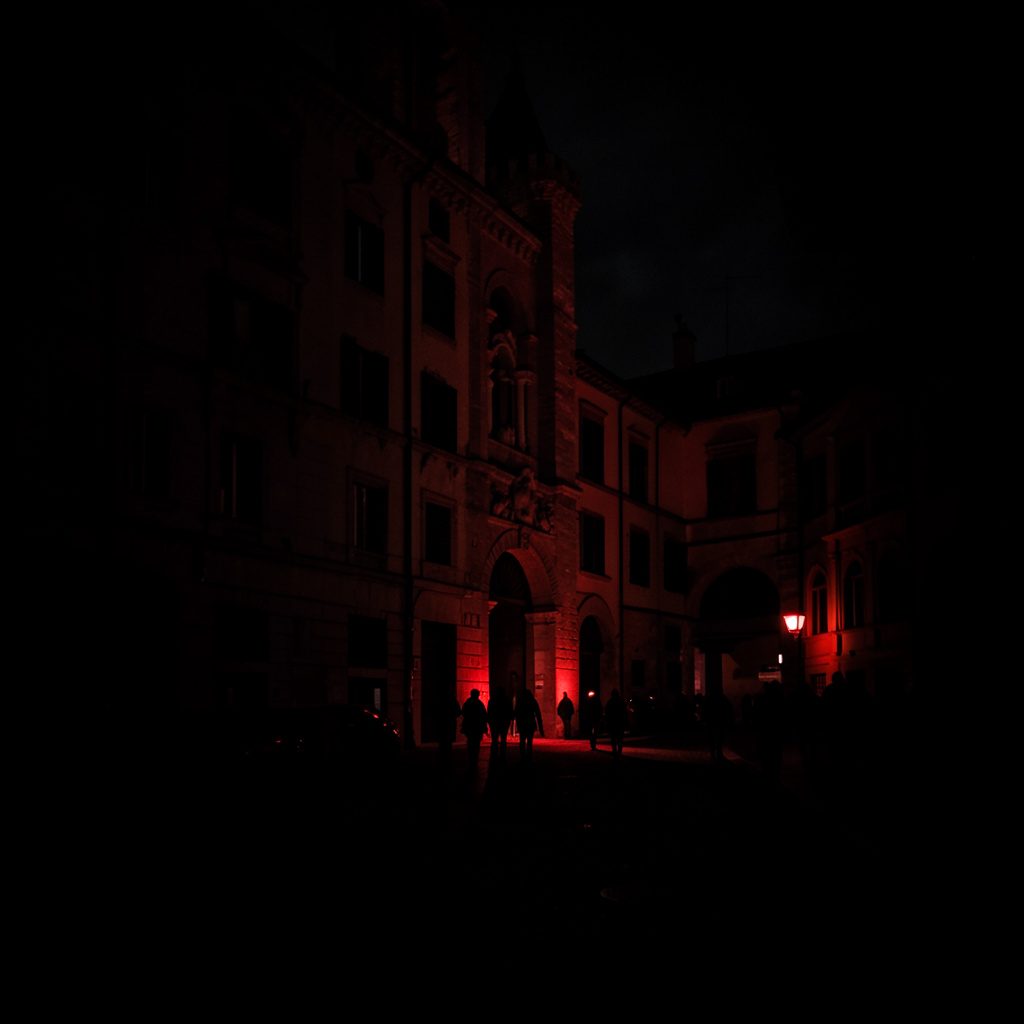
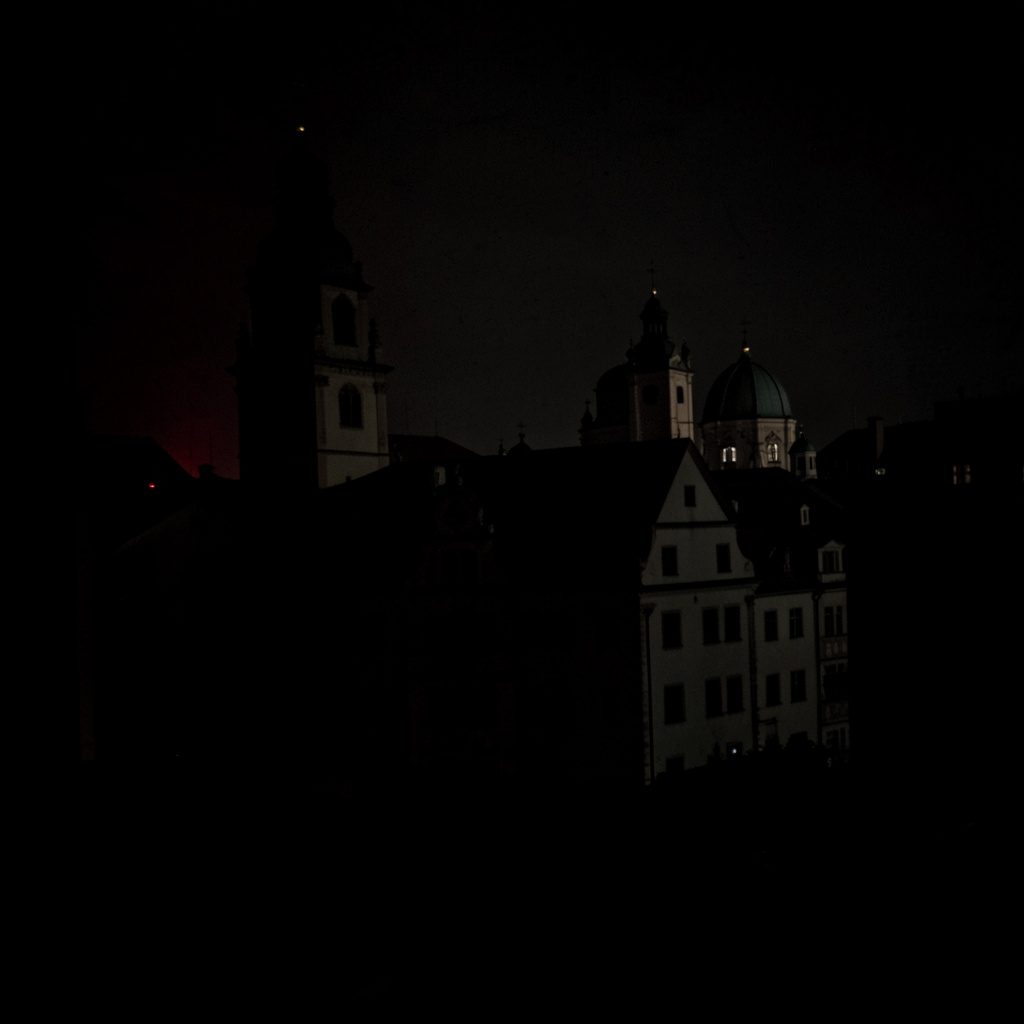
SINERGI established a network of twinned cities — Skopje, Turin, Zagreb and Lisbon — to exchange knowledge, experience and good practices between universities, civic organisations and social groups.
4 partner cities · 4 academic partners
Seminars, workshops & public lectures
Urban Center of Four Cities opened 2015
A network of twinned cities for better social integration
SINERGI brought together cities, universities and civic organisations across Europe to share approaches to urban growth — and to use that exchange as a route to stronger social integration in each partner city.
Activities ran between 2014 and 2015 under the Europe for Citizens Programme, with kick-off meetings, thematic seminars, workshops, a scientific conference and a final conference convened across the four partner cities.
About SINERGI
SINERGI Final Conference in Skopje
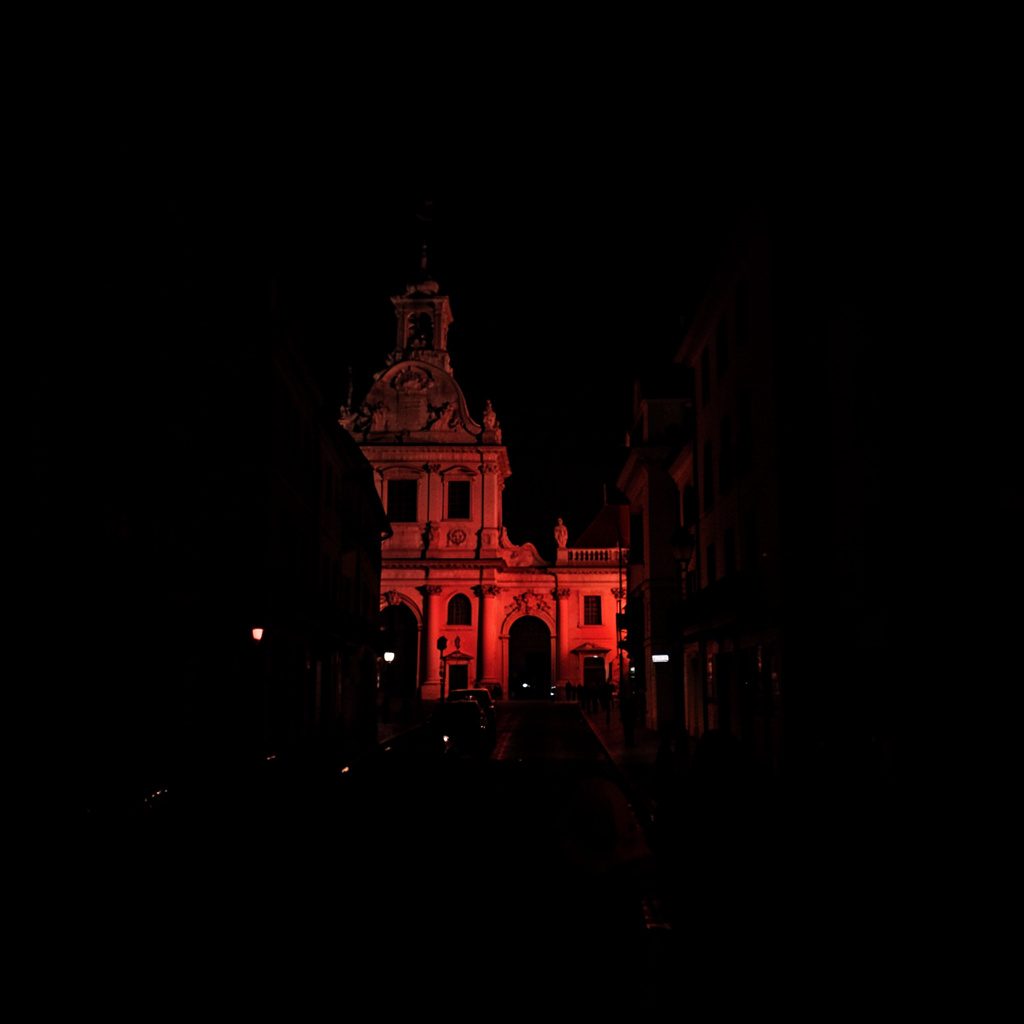
The International Scientific Conference Inclusive / Exclusive Cities and the SINERGI Final Conference were held in Skopje on 18–20 November 2015, with the opening of the Urban Center of four Cities — Skopje, Turin, Zagreb and Lisbon — on 18.11.2015.
From kick-off to final conference
The project's calendar ran from the Kick-off Meeting in Turin (24–26.03.2014) through thematic seminars in Zagreb and Lisbon, workshops in Skopje and Turin, and the public lecture by Dr. Mark Schoonderbeek (TU Delft) delivered during the Final Conference in Skopje on 19.11.2015.
- 1st Thematic Seminar — Zagreb, 15–17.07.2014
- 1st Thematic Workshop — Skopje, 03–05.12.2014
- Lisbon Thematic Seminar — 14–16 April 2015
- Second Thematic Workshop, Mirafiori Sud — Turin, 30.06–02.07.2015
Urban centers across Europe face shared challenges around social inclusion, neighborhood regeneration, and meaningful citizen engagement. The Sinergi Project brought together partner cities to exchange knowledge, experience, and practical approaches for addressing these intertwined issues. By framing urban development as a collaborative learning process, the initiative encouraged cities to look beyond local administrative boundaries and draw on tested practices developed elsewhere. This cross-border dialogue helped participating municipalities better understand how social and spatial policies can reinforce one another, strengthening the capacity of local actors to design interventions that respond to the realities of diverse urban populations while remaining grounded in each city's specific context and history.
At the heart of the project was a commitment to inclusive participation that brought students, teachers, civic organizations, NGOs, and ordinary citizens into conversations traditionally reserved for administrative representatives. Workshops and seminars created structured spaces where these groups could contribute perspectives often missing from formal planning processes. By treating participation as a practical methodology rather than a symbolic gesture, the project aimed to establish habits of cooperation that could outlive any single initiative. Participants explored how urban regeneration efforts succeed when residents are engaged as co-authors of change rather than as passive recipients of decisions made elsewhere, building trust between communities and the institutions serving them.
The project's structure combined thematic seminars, hands-on workshops, and a public final conference to move steadily from shared learning toward practical application. Seminars provided opportunities to examine theoretical frameworks and compare international experience, while workshops translated ideas into concrete activities in specific neighborhoods. The Mirafiori Sud area in Turin served as one of the project's focal settings for testing collaborative approaches to neighborhood regeneration. Events were designed to balance academic rigor with the lived knowledge of residents, creating conditions under which researchers, practitioners, and citizens could develop joint strategies that reflected both strategic thinking and the everyday concerns of people who call these districts home.
Education played a central role in linking universities, schools, and broader civic communities around questions of urban change. Partner universities contributed scientific grounding to the project's research and dissemination activities, while teachers and students helped bring fresh perspectives into neighborhood discussions. This educational dimension supported the project's aim of building a durable network of twinned cities capable of continuing exchanges of knowledge and practice long after the formal calendar concluded. By investing in younger participants and academic partners, the initiative sought to ensure that lessons learned in one city could travel, adapt, and inspire further collaboration across the wider international community interested in equitable urban transformation.
Throughout its run, the project maintained a strong public-facing identity through publications, newsletters, social media updates, video documentation, and an accessible online presence. These channels helped share project activities, thematic findings, and conference proceedings with broader audiences well beyond the immediate partner network. By treating communication as an integral component of urban research rather than an afterthought, the initiative reinforced its commitment to transparency and civic dialogue. The visual identity, marked by bold typography and confident use of color, reflected the project's belief that serious conversations about cities deserve clear, memorable presentation that can reach citizens, practitioners, and decision-makers alike across different national contexts.
Voices from the network
"The opening of the Urban Center of four Cities in Skopje on 18 November 2015 marked a concrete step from joint exchange to a shared physical space — a place where Skopje, Turin, Zagreb and Lisbon could continue the conversation."
Project Secretariat · Skopje, Macedonia
Read the project story
Partner cities
A four-city network linking Skopje, Turin, Zagreb and Lisbon under a shared urban agenda.